If you’re weighing up a first device for your child and are feeling a little lost, you’re not the only one! Many parents can feel the pull in both directions: the pressure to keep kids connected and reachable, and the fear of what an open internet might expose them to. The good news is that it’s not a binary choice between “no phone” and a fully fledged smartphone. There’s a middle path with devices designed for kids that prioritise safety, supervision and step-by-step independence.
In this blog, we’ll explore why a kids’ smartwatch is often a great “training wheels” start, when a phone becomes the better fit, and how a safe phone bridges the gap. We’ll finish with a practical comparison to help you choose what suits your child and your family’s values, plus two clear paths you can explore today.
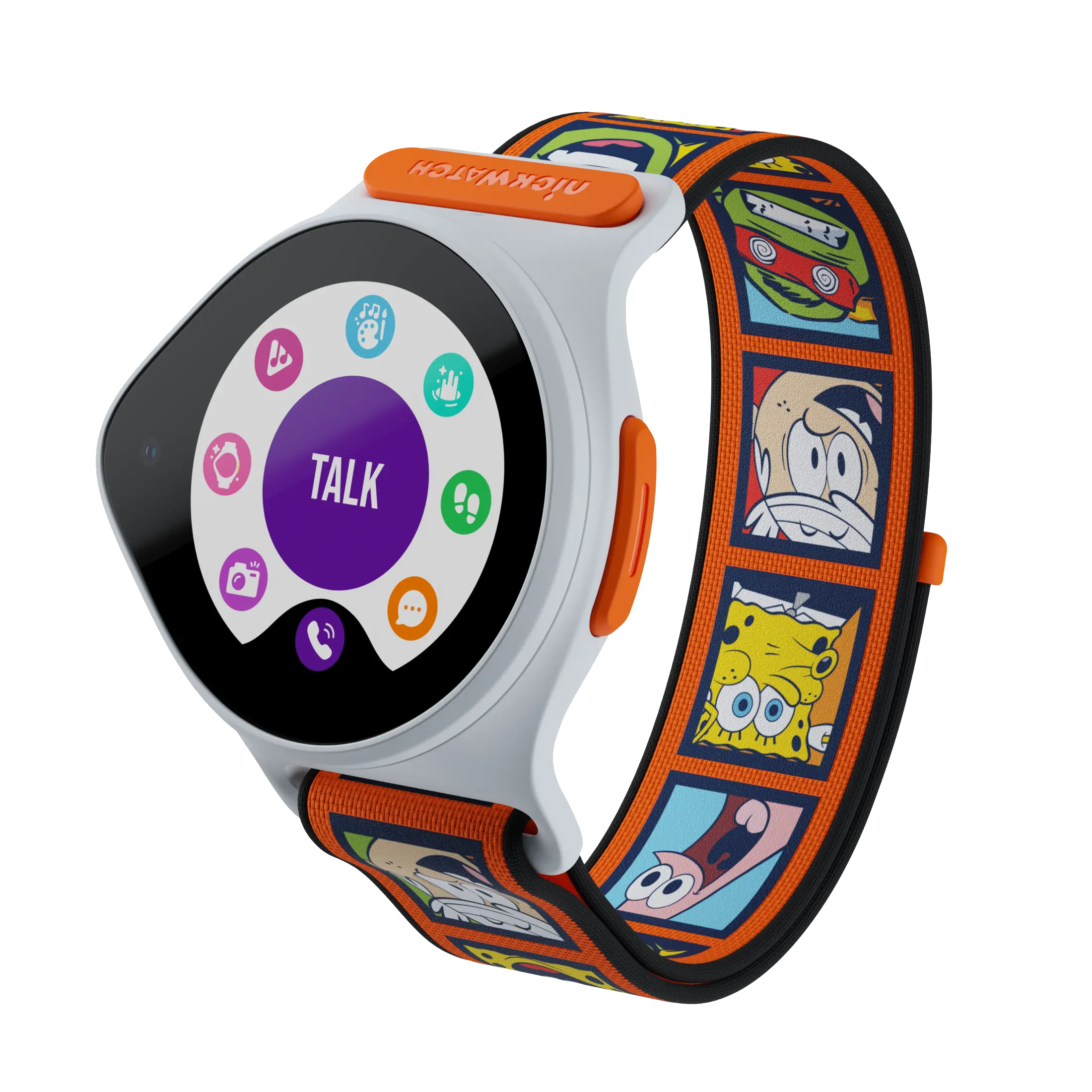
The "Training Wheels" Approach: Starting with a Smart Watch
- Wearability = fewer worries: A watch is strapped on, not stuffed in a pocket or forgotten in a classroom. That makes it harder to lose and easier to keep up with your child on the school run or at after-school care. Many kids’ watches pair with a caregiver app for live location and check-ins, giving you quick visibility without making your child juggle a device.
- Right-sized communication: You can usually whitelist contacts so only trusted people can call or message, keeping conversations focused on family and caregivers. The experience is built around short, purposeful communication, with no endless scrolling.
- Fewer screen temptations: A watch offers a connection without opening the door to a full app ecosystem. That helps avoid early screen addiction habits and delays exposure to social media. Kids get the independence of contact, while parents keep the comfort of strong guardrails.
- Designed for kids: Rugged designs, water-resistance and simple interfaces mean your child spends less time troubleshooting tech and more time being a kid. For parents, set-up and daily check-ins are typically handled in a companion app.
When does a watch not fit? If your child needs to type more than short replies, use school apps, or manage longer messages, a phone might be next.
Stepping Up: When is a Phone the Better Choice?
As kids reach upper primary or early high school (around 10–13), their needs often outgrow a watch. Logistics get busier: independent travel, after-school activities across town, group assignments, and longer messages. A phone adds bigger screens, keyboards for typing, and support for school-related apps.
Parents’ hesitation is understandable: unrestricted internet, open app stores and cameras can introduce risks you’re not ready for. The answer isn’t an all-or-nothing leap; it’s choosing a phone that feels “grown up” to your child while keeping adult-level controls firmly in place.
The "Safe Phone" Compromise
Think of a safe smartphone as the bridge between a kids’ watch and a full smartphone. It looks and feels like a phone, but it’s purpose-built for family oversight.
- No camera by design: Many parents don’t initially consider the camera as the biggest risk, but removing it is a massive safety win. No camera means no taking or sharing of inappropriate images, fewer privacy pitfalls at school or friends’ houses, and one less vector for social pressure.
- App blocking and whitelisting: On a safe phone, parents can approve who the child can call or message, block app downloads or be notified of new apps, and set time-of-day limits for use. You decide what’s allowed, when, and for how long, so the device grows with your child’s readiness.
Other essentials round out the package: SOS with location SMS, the option for real-time location, and a straightforward interface tuned for kids. Your child gets a “real phone” for calls, texts and approved tools; you keep the control to say yes or no with a tap.
Comparison: How to Choose Based on Your Child
Use the guideposts below to match the device to your child’s stage, not the other way around.
- If your child… loses things easily
→ Watch. It’s worn, not carried. Lower loss risk, fewer repair costs, and quick location checks. - If your child… needs simple check-ins, not long chats
→ Watch. Short messages and calls are enough. Keeps communication focused and fast. - If your child… is asking for social apps, and you want strict control
→ Safe Phone. Approve contacts, block or vet apps, and set time limits. No camera removes a huge pressure point. - If your child… needs to type, manage homework groups or use basic school apps
→ Safe Phone. A proper keyboard and bigger screen help with longer messages and school coordination. - If your child… is moving to high school
→ Start with a safe phone and clear rules; review every term. You can always open more features later.
Quick comparison (at a glance)
- Portability: Watch (always on wrist) → safer from loss; Phone (pocket/backpack) → easier to misplace
- Functionality: Watch → basic calls/messages/location; Safe Phone → calls, texts, approved apps, larger screen
- Parental control: Watch → strong by design; Safe Phone → strong via parental controls/whitelists
- Risk surface: Watch → minimal camera/social media; Safe Phone → controlled environment, no camera on suitable models
The goal isn’t to choose the “most powerful” device; it’s to choose the least complicated device that meets your child’s real needs right now.
Give them Freedom, Keep the Control
You don’t have to hand over a full smartphone to keep your child connected. Start with the device that matches their maturity and your family’s comfort level, then open up gradually as responsibility grows. For younger or very active kids who need check-ins without the risk of loss or distraction, consider a kid-ready watch such as NickWatch: a 4G smartwatch sold locally with caregiver pairing for simple oversight.
For tweens and students who are ready for a handset but not an open internet, look at a safe phone like the SmartKids Phone, which removes the camera and gives parents app/time controls and contact whitelisting; connection with control. Whichever you choose, you’ll be setting up healthy tech habits from day one: keeping your child reachable and safe while you stay firmly in the driver’s seat.