It’s a scenario no family wants to think about, but is too important not to. An older parent falls at home, and their phone isn’t on them to call for help. Hours could pass before anyone realises something is wrong.
For many Australians, the assumption is that carrying a mobile phone is enough. If something happens, you can call for help, right? But what happens when your phone is charging, in another room or out of reach?
Relying on a fall to happen in an idyllic situation is a gamble we’d rather not take. And that’s exactly where a personal alarm with fall detection comes in.
Instead of relying on someone being conscious, mobile and able enough to make a call, a fall detection pendant is designed especially to recognise when something is wrong and alert others. It’s a practical safety layer built specifically for the people who need it most, and the people who love them.
The Problem with Relying on a Phone Call
Of course mobile phones are extremely useful in emergencies, but they depend entirely on the user being capable of using them in the moment. After a fall, many people experience shock, pain or confusion, even if they can get up. Some lose consciousness altogether. Even a minor injury for vulnerable people can make moving across the room difficult or impossible.
An automatic fall alarm eliminates the need for a mobile phone to be ‘on the person’ of whoever falls, supporting its user in the moments where they are unable to call for help.
How Fall Detection Actually Works
The technology behind a personal alarm with fall detection may sound complicated, but the basic concept is surprisingly straightforward. A wearable safety pendant contains motion sensors and an accelerometer — technology that measures sudden movement, impact and changes in position.
When the algorithm registers a likely fall, the device triggers a call to a set list of contacts, along with the GPS location of the wearer via SMS. Most modern pendants also allow for a short window of error, allowing the chance of a ‘false alarm’ to be cancelled.
Of course, no fall detection is 100% accurate, so there’s an additional SOS button on the device which can be pressed in the case of an emergency as an additional safety and peace-of-mind measure.
Wearable vs. Mobile - Why the Format Matters
The biggest and most notable advantage an automatic fall alarm has is that it stays on the body.
A phone won’t always be on your body; it can get left in handbags, plugged into chargers, fall into couch pillows or be left in other rooms. As such, it can’t always be a dependable method of reaching out for help in emergency situations.
A safety pendant’s beauty is in its simplicity: it’s lightweight, stays on your body, and fulfils its one purpose — emergency assistance.
Key Features to Look for in a Fall Detection Pendant
Not all fall detection pendants are built equally. To find the best fall protection pendant for your needs, consider the following key features:
Automatic fall detection with manual SOS
The best systems include both, not either. The ‘auto trigger’ covers unconscious falls and the SOS button covers the rest.
Multiple emergency contacts
When it comes to safety and wellbeing, more is more. The ability to call and SMS several contacts in sequence minimises the risk of not being able to get help when you need it.
GPS location sharing
It’s not enough to know that someone is in trouble; you need to know where to find them.
Two way speaker
Some devices allow contacts to talk in real-time to the wearer, helping assess the severity of the situation.
Water resistance
Bathrooms and showers are a high-risk fall location. An IP67-rated fall detector for elderly Australians can be worn in the shower.
Subscription-free monitoring
If avoiding ongoing monthly fees is a priority for you, there are pendants available that alert family directly via an app, without the need for a costly service.
4G connectivity
Following the 3G shutdown in Australia, it’s important to get a device that is compatible with the current mobile network.
Who Benefits Most from Fall Detection
Fall detection isn’t only for the elderly or medically frail. Lots of people could benefit from having an extra layer of protection in the background.
Older Australians living alone are one of the most common examples of people who may benefit from the pendant; however, even highly independent people can benefit from an extra measure of safety.
People recovering from surgery or injury at home may feel safer with an automatic fall alarm, as recovery periods can involve reduced mobility, medication side effects and increased fall risk.
Arguably, the people who may actually benefit most from the device are the families of the wearer. They constantly have peace of mind that their loved one has an extra safety precaution working for them around the clock in the background.
A Phone is Useful. A Pendant is There When the Phone Isn’t.
Mobile phones are excellent tools when everything is fine. They help people stay connected, navigate directions and call for help when they are able to do so. A personal alarm with fall detection is there for the moments when phones aren’t.
There’s no real argument about fall detection vs phone; they work together. A phone handles everyday communication while a safety pendant fills the critical gap when reaching a phone may not be possible.
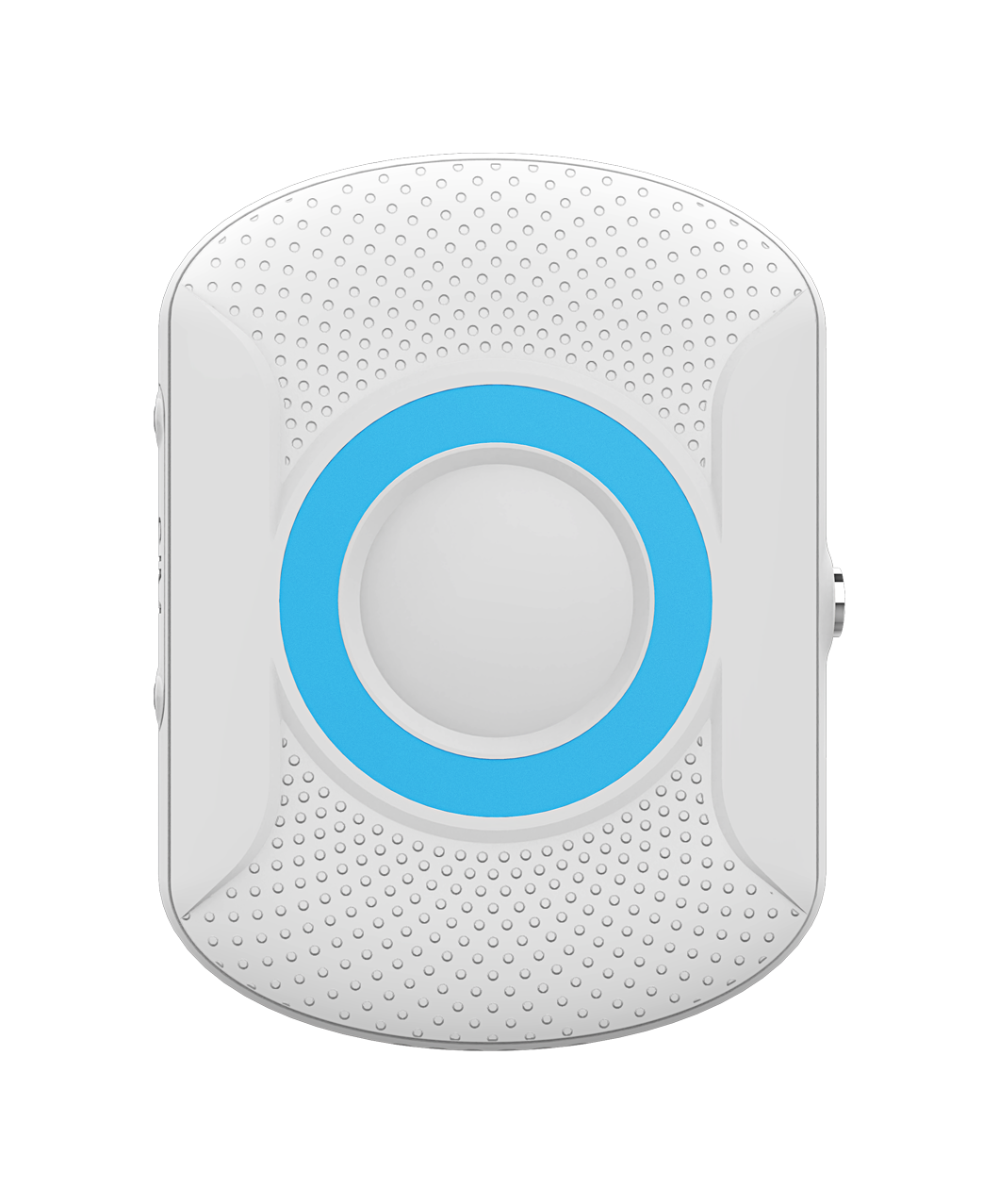
For families exploring extra support options at home, the Opel Mobile Safety Pendant combines automatic fall detection, SOS alerts to up to five contacts, GPS location sharing, a two-way speaker and IP67 water resistance in one subscription-free device designed for everyday wear.